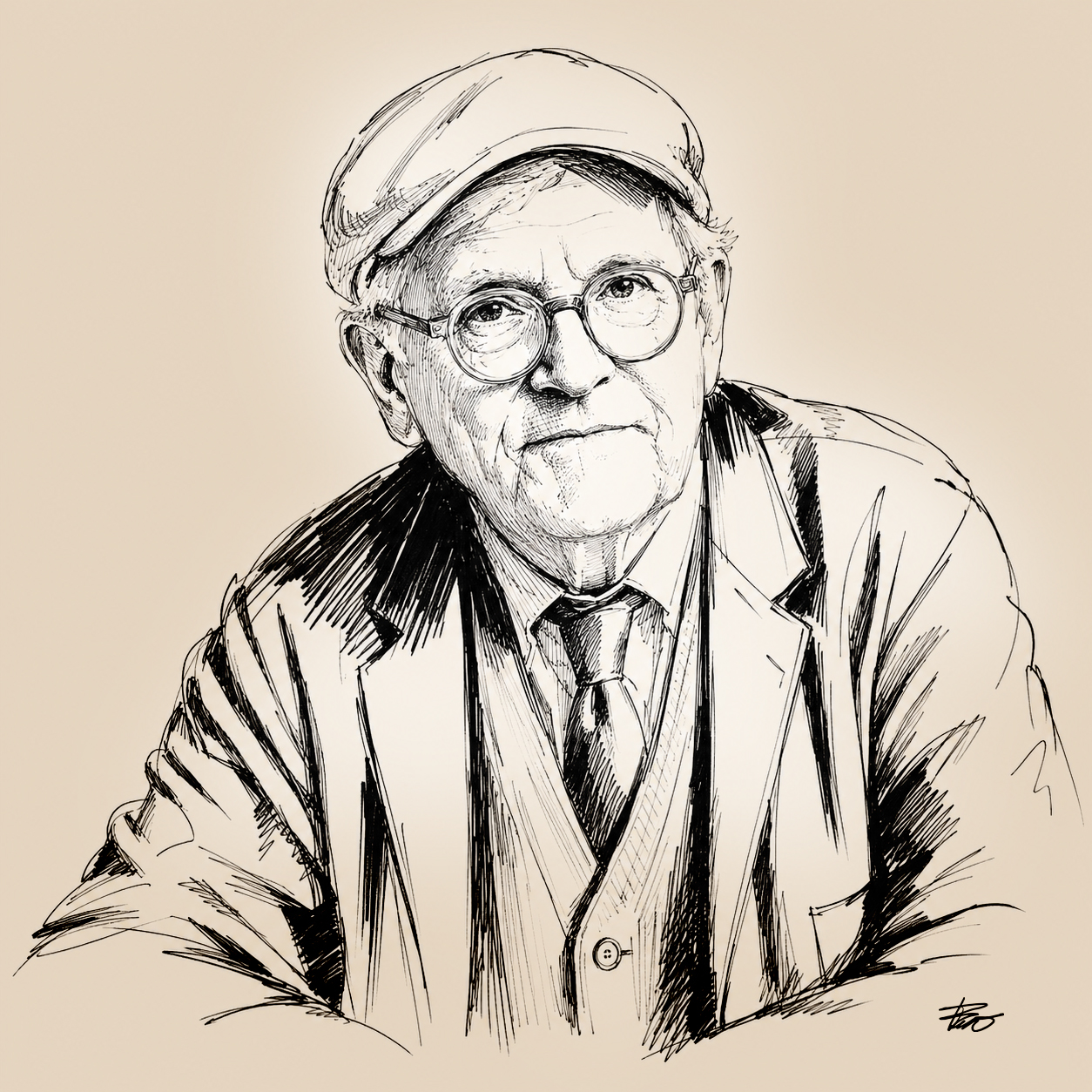
David Hockney, the British-born artist whose luminous swimming pools, cool Los Angeles interiors and searching investigations into perception made him one of the most influential painters of the last century, died Thursday at his home. He was 88.
His death was announced Friday by his publicist, Erica Bolton. He was one month short of his 89th birthday.
Mr. Hockney is survived by his longtime partner and companion, Jean-Pierre Gonçalves de Lima.
“David Hockney’s enduring legacy reflects his underlying enthusiasm for life, his outstanding sense of humor, his immense generosity, and his investigative curiosity, encapsulated by his signature phrase: ‘Love life,’” Ms. Bolton said in a statement.
For more than six decades, Mr. Hockney pursued the act of looking with uncommon intensity. He believed that art was not an escape from the world’s sorrows but a way of enlarging experience within them. Painting, he often suggested, could restore wonder: making the visible world appear beautiful, thrilling and mysterious again.
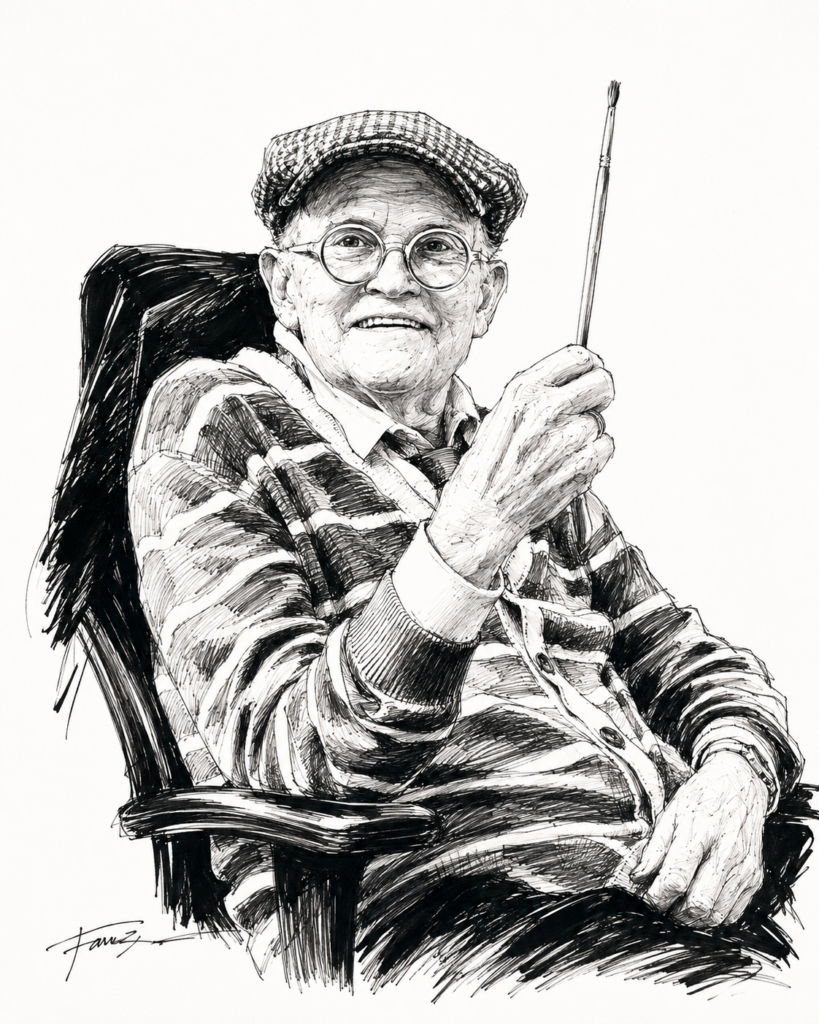
Born and raised in a modest town in northern England, Mr. Hockney came of age as both an artist and a gay man at a time when homosexuality in Britain remained criminalized. By the early 1960s, he had emerged as a singular figure — witty, brilliant, theatrical — with dyed blond hair, oversized glasses and a gift for turning personal freedom into painterly form.
Film footage from the period shows him in exuberant dress: a pink plaid suit, a broad black-and-white striped tie, mismatched socks, one red and one green. His public persona was playful, but his art was disciplined and deeply considered. In his Los Angeles paintings, young men lounge beside swimming pools, sunlight glances off glass and water, and desire is rendered with both candor and elegance. The pool became one of his great subjects: a stage for pleasure, stillness, reflection and illusion.
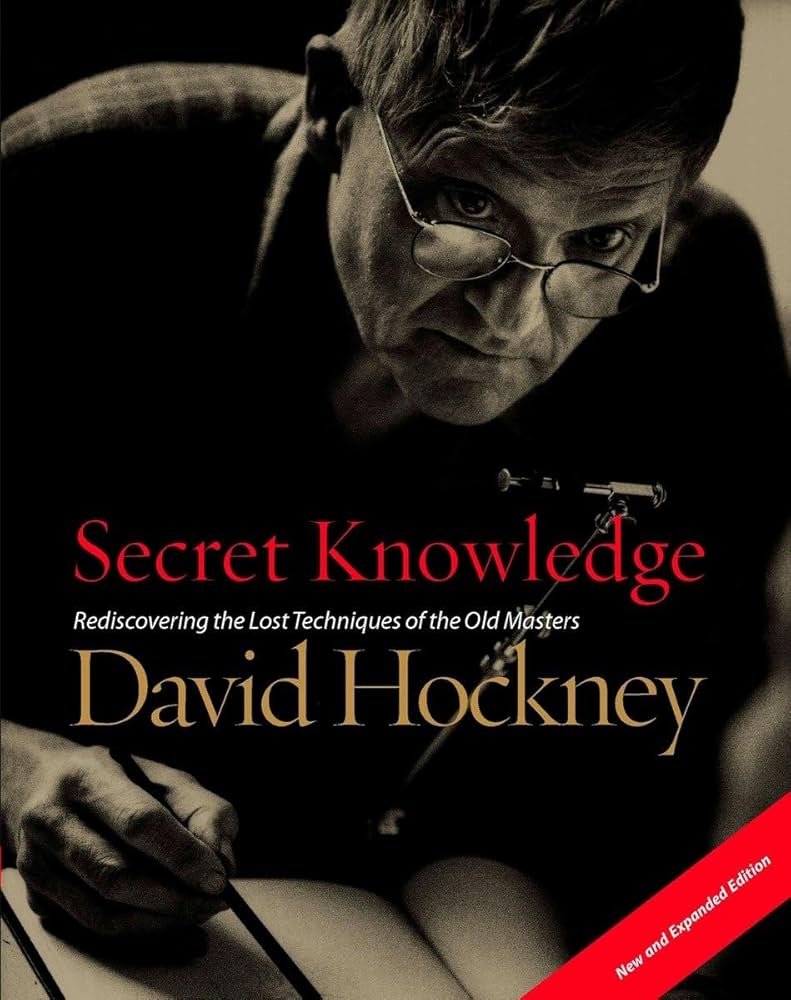
Mr. Hockney’s interests extended well beyond the canvas. In his landmark book Secret Knowledge: Rediscovering the Lost Techniques of the Old Masters, first published in 2001 and later expanded, he argued that painters such as Caravaggio, Leonardo da Vinci and others had made use of optical devices, including mirrors and lenses, to achieve their startling realism. The theory was controversial, challenging long-held assumptions about artistic technique and the sudden development of naturalistic representation in European painting around the early 15th century.
Whether embraced or disputed, the book reflected Mr. Hockney’s essential character: curious, argumentative, visually alert and unwilling to accept received wisdom. To him, art history was not a fixed record but an active field of inquiry, alive with questions about how human beings see.
His career was marked by continual reinvention. He moved among drawing, painting, photography, printmaking, stage design and digital media, embracing new tools without surrendering his belief in the hand, the eye and the physical act of making. In later years, he used iPads and other digital devices with the same appetite for experimentation that had defined his early work.
Across those many forms, Mr. Hockney remained faithful to a simple and radical proposition: that looking carefully is itself a moral and imaginative act. His work asked viewers to notice light, space, color, bodies, rooms, roads, trees and water — not as ordinary things, but as evidence of life’s continuing astonishment.