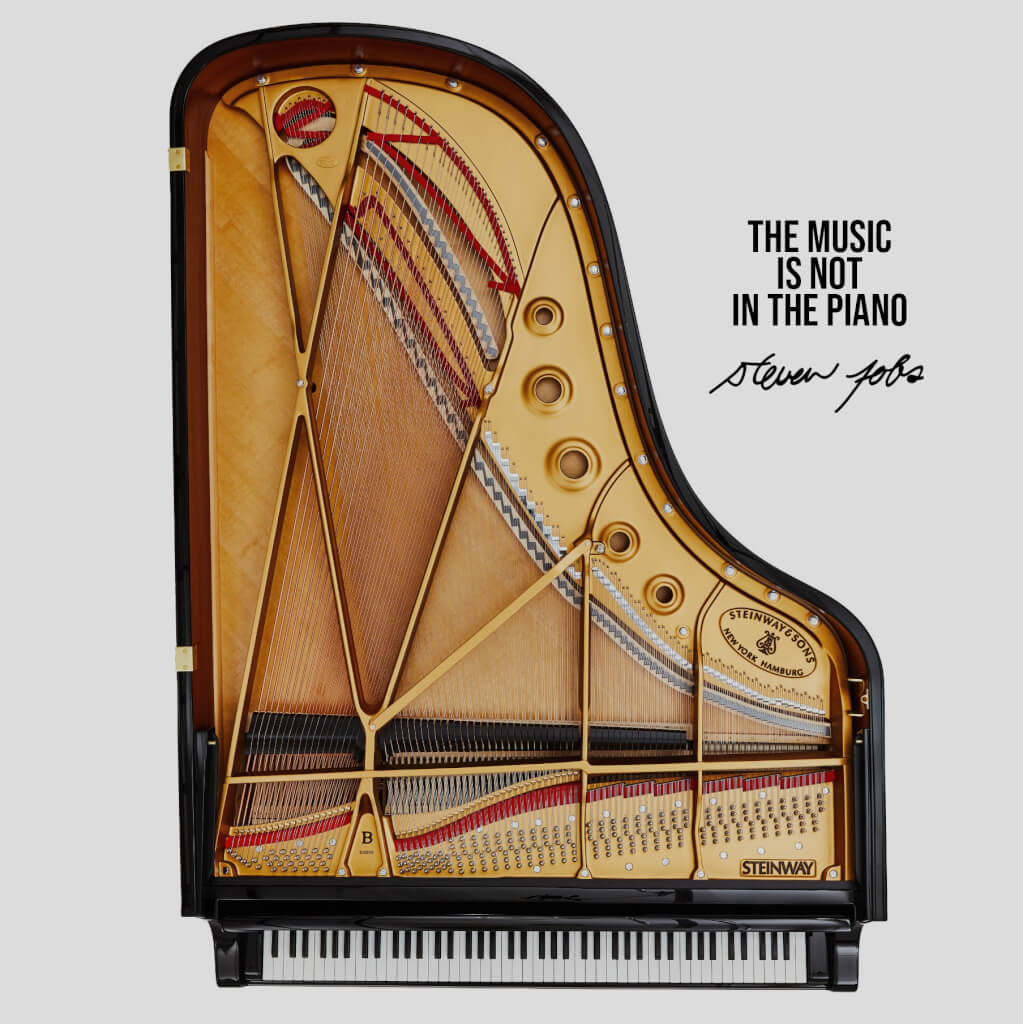
In the heart of any piano lies a complex network of strings, hammers, and carefully tuned wood, but as the phrase attributed to Mozart and made famous by Steve Jobs goes, “The music is not in the piano.” This simple truth speaks to something beyond instruments, tools, or technology; it speaks to the creativity and spirit that breathes life into art. Yet, as the design industry confronts a seismic shift towards AI and accessible “PlaySchool-level” design tools, the question arises: Where is the artistry in an age where anyone can “design like a pro”?
In recent years, software like Canva and user-friendly editing tools have marketed themselves with bold promises, proclaiming that “anyone can design like a pro.” This slogan appeals to the corporate world, eager to cut costs and streamline processes by shifting design responsibilities to employees without formal training. Secretaries, interns, and assistants are handed templates and told they’re now equipped to create company logos, presentations, and branding materials. For businesses, this move holds an undeniable allure: a fraction of the cost, faster turnaround times, and the convenience of on-demand design at the click of a button.
From a business perspective, the logic is sound. Why pay a premium for a design firm when a secretary with Canva can churn out social media graphics? Why hire a professional photographer when a free image from Unsplash serves the purpose? In a world where speed and cost savings often overshadow quality and originality, it’s easy to see why companies are embracing this shift.
However, as more corporations choose efficiency over expertise, the creative field is starting to feel the effects. The intricate work of professional designers—once valued for its skill, attention to detail, and depth—is being diluted in a flood of templated visuals and stock imagery. It’s as if the piano, once in the hands of a virtuoso, is now being played by anyone who can press a key, regardless of whether they can create true music.
This trend has not gone unnoticed by seasoned professionals in the design world. Many of them, now in the later stages of their careers, are re-evaluating their place in an industry that seems increasingly detached from the very art it once revered. For these designers, the commodification of creativity is disheartening, a far cry from the days when skill, artistry, and vision were the cornerstones of design. Rather than watch the field they love devolve into template-based mediocrity, many are choosing to leave traditional design behind.
Interestingly, a significant number of these professionals are turning to the very technology reshaping their field: AI. But instead of using basic, entry-level tools, they’re diving into the more advanced realms of AI, where creativity can still flourish and complexity is celebrated, not shunned. They’re learning to use AI as a collaborator, harnessing it to generate high-quality visuals, experiment with new forms, and push the boundaries of digital art.
In these advanced AI spaces, the music truly returns to the metaphorical piano. Designers are no longer bound to stock templates or simplistic tools. They’re working with powerful AI systems that allow them to create, refine, and innovate in ways that would have been unimaginable a decade ago. Here, the expertise and artistry of seasoned professionals meet the efficiency of technology, giving rise to a new form of digital craftsmanship.
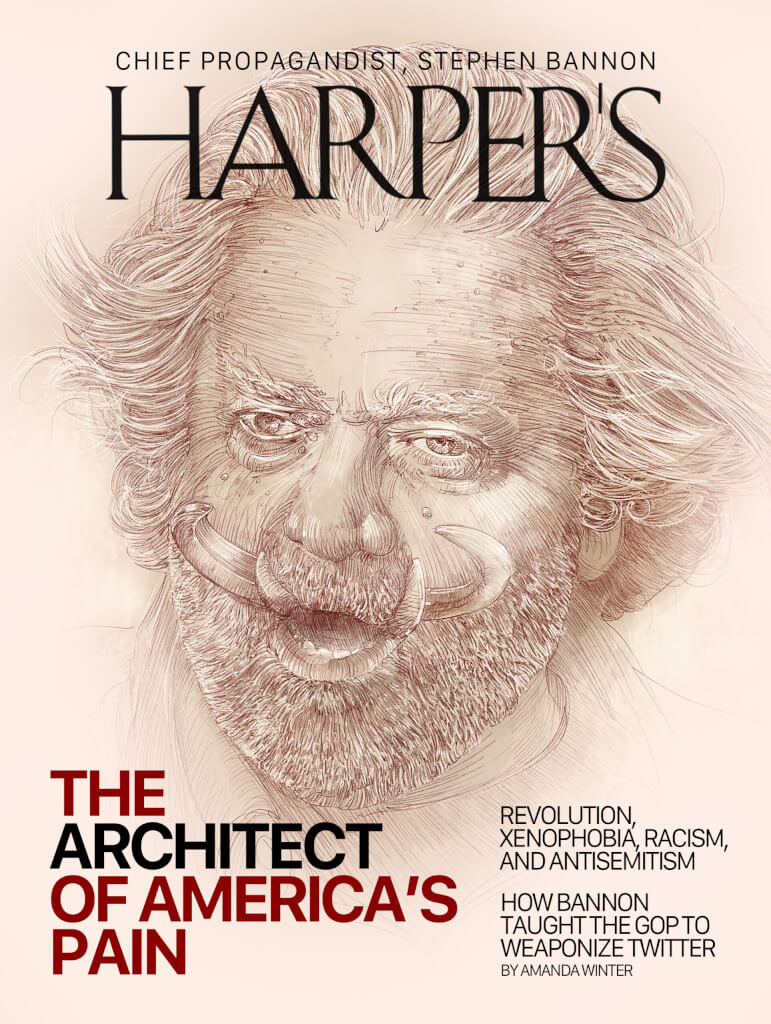
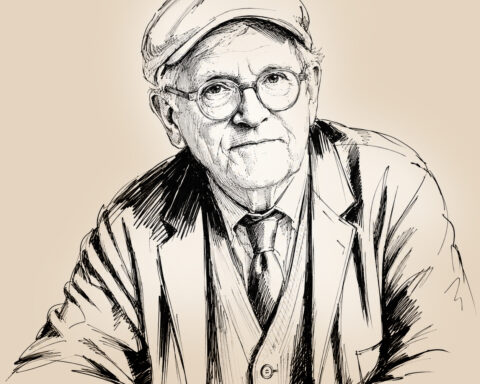
(Editorial Illustration, chalk on cream paper. Farago 2024)
For these designers, AI is not a replacement but an extension of their creative vision—a way to compose, layer, and orchestrate visual elements much like a musician arranging a complex symphony. And unlike the PlaySchool-level design tools that aim to simplify creativity, advanced AI respects the need for skill, rewarding those who know how to wield it effectively.
In an ironic twist, it’s the very artists and designers displaced by entry-level software who are now pioneering new creative horizons in AI. As they embrace this technology, they find themselves once again at the forefront of innovation, where the artistry lies not in the tool but in the hands of the one who wields it.
The music, after all, was never in the piano.