By Peter Farago – Managing Editor
There is a new movement in the world of art, and it’s not in dusty ateliers or on museum walls. It’s unfolding on the glowing screens of iPads, laptops, and styluses wielded by digital artists worldwide. We are in the midst of a digital renaissance, one driven by groundbreaking painting software like Rebelle 7 and Procreate, and its emergence is both unstoppable and exhilarating. For centuries, the essence of art has been defined by brushes, canvases, and the tactile experience of mixing oils or pigments. Yet, with the rise of sophisticated digital painting tools, the very notion of what constitutes a “masterpiece” is evolving, expanding, and, some might say, reaching new creative heights.
The image of traditional artists as lone figures bent over canvases in garret studios, while romantic, is no longer the complete picture. Digital painting has irrevocably altered the artistic landscape. Programs like Rebelle 7, designed to mimic the organic textures and behaviors of traditional media, and Procreate, which brings the flexibility of touch interface and unparalleled user control, are at the forefront of this shift. These tools are empowering a generation of artists to explore new creative possibilities, blending the skills honed in traditional painting with the almost limitless options that digital technology provides.
While there are purists, or what some might call “artistic luddites,” who resist this evolution, clinging to outdated notions of what art should be, history is clear: art moves forward. The art world, always a dynamic and evolving entity, does not stand still for those unwilling to embrace change.
The Dawn of a Digital Age in Art
For centuries, the art world has been defined by tradition—painting, sculpture, and mixed media created with physical materials like oil, acrylic, charcoal, and clay. These mediums have dominated not only galleries and museums but also the instruction of art itself, with generations of artists trained to work with their hands on canvas and paper. Enter the digital age, which has, in the last few decades, shifted much of the world’s creative output to new platforms—photoshop, vector graphics, and now, increasingly, high-fidelity digital painting programs.
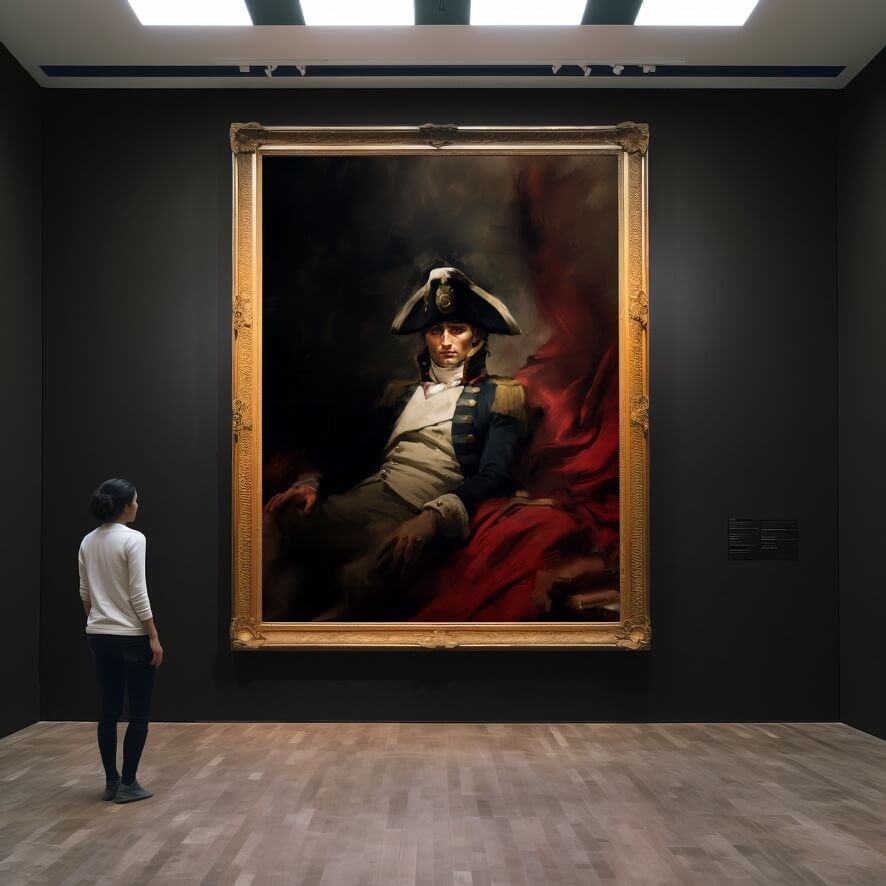
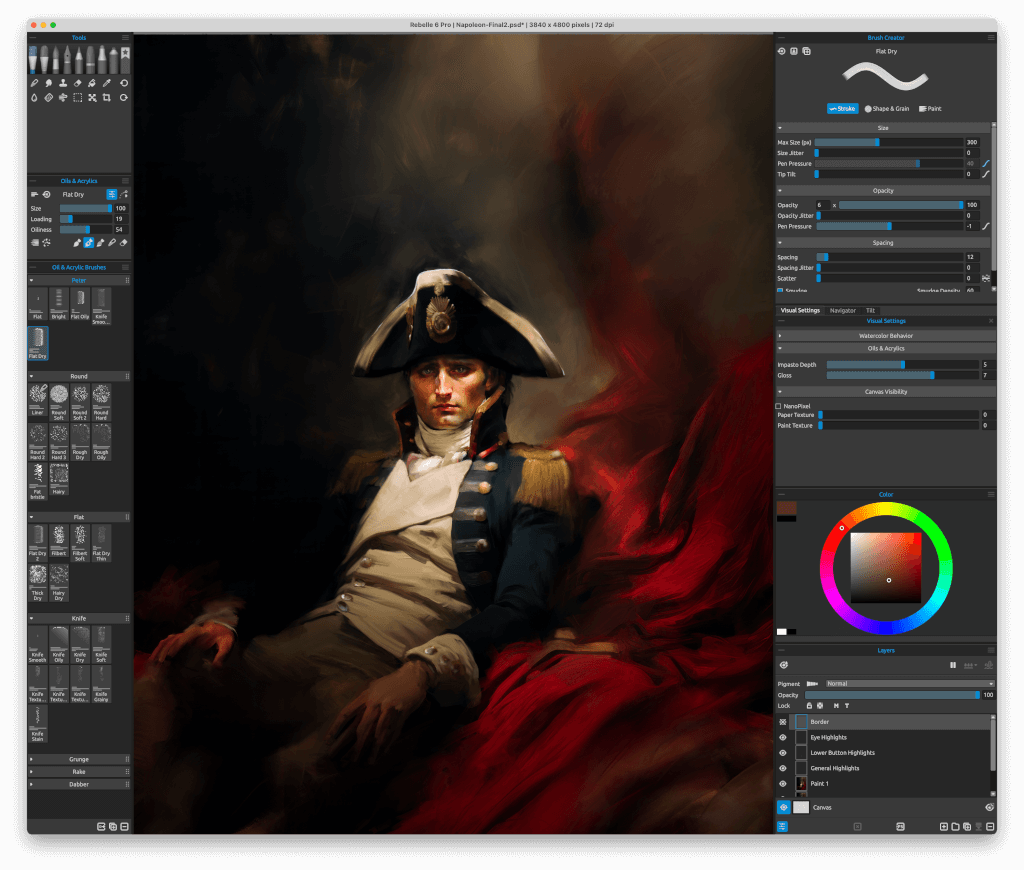
Rebelle 7, as showcased in the image of Napoleon in Moscow, is a premier example of this transition. It goes far beyond the simple “point-and-click” tools of early digital art software. This revolutionary program uses watercolors, oils, and acrylics that react in real time to canvas textures, imitating the fluidity of real paint. The visual experience of working with Rebelle is eerily similar to traditional painting, with paints flowing, mixing, and drying in real-time based on virtual environmental conditions. This emulation of natural media gives artists not only the flexibility of undoing mistakes but also allows for endless experimentation without the need for expensive materials or physical space.
On the other hand, Procreate, a widely lauded tool for the iPad, has made art creation more portable, intuitive, and accessible than ever before. Its simple, user-friendly interface and robust features allow artists to create intricate works of art, animate them, and export them to any digital format needed. Procreate has introduced a generation of creators to the idea that professional-level art can be produced anywhere—on a subway, in a coffee shop, or even in bed—removing the traditional boundaries of space and resources.
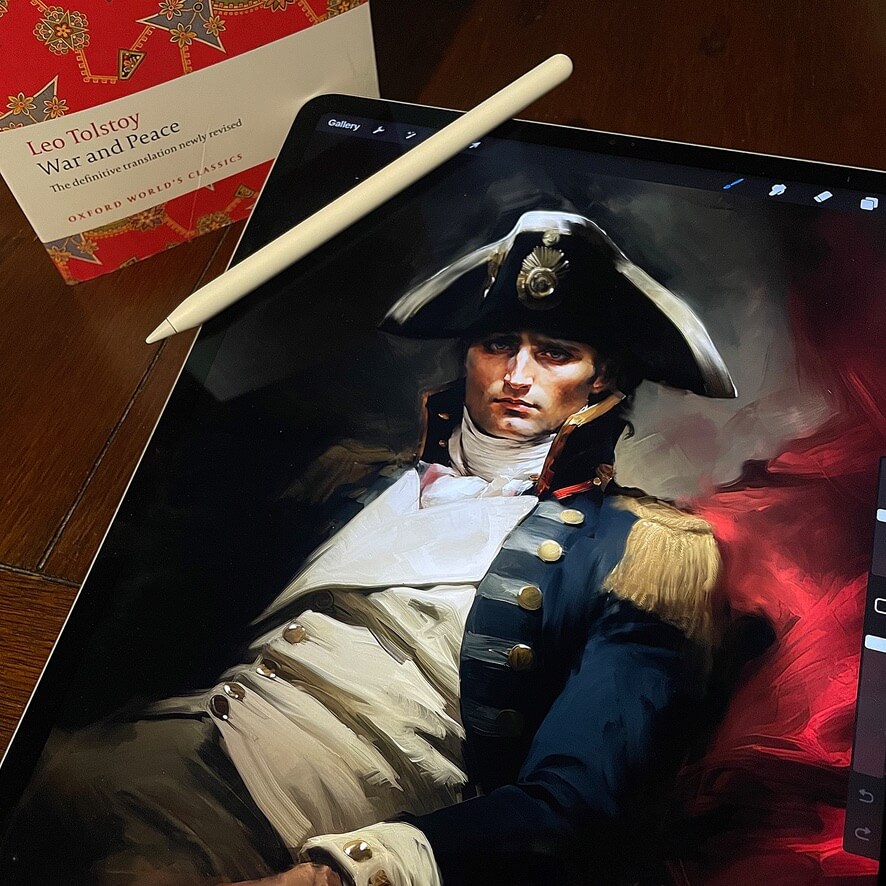
But with these advances comes an inevitable clash of ideals. As is often the case with technological innovations in creative fields, there are those who argue that digital art is somehow “lesser” than its traditional counterpart. These critics, who often identify with older generations of artists or art consumers, claim that digital art lacks the tangible soul of handmade works, dismissing the very real skill and creativity involved in using digital tools to their fullest extent.
Artistic Luddites: The Resistance to Change
Resistance to new mediums is nothing new. The Luddites of the early 19th century, famed for smashing industrial machinery, were workers protesting technological advancements that threatened their livelihood. Today’s artistic Luddites are not smashing iPads, but they are attempting to undermine the legitimacy of digital art and its creators. These traditionalists cling to an outdated view of artistic expression, one that prioritizes physical media over digital innovation, and that fails to understand how art, like any other cultural phenomenon, must evolve.
These critics argue that “real” art must be crafted by hand, with physical tools like brushes and palette knives. They worry that digital programs are making the process of creation too easy, allowing anyone with a tablet or laptop to claim the title of artist without the years of training that traditional painting often demands. While these concerns are rooted in a romantic view of art as laborious and tactile, they ignore the reality that digital artists still require immense skill to master their tools. Digital painting is not “easier”—it’s just different.
Moreover, this resistance overlooks a key aspect of art’s history: the story of art is one of innovation. From the Renaissance masters’ groundbreaking use of perspective, to the Impressionists’ radical departure from academic techniques, to the 20th century’s embrace of abstract and conceptual forms, each generation of artists has found new ways to challenge the conventions of the time. The rise of digital art is simply the latest chapter in this story.
Programs like Rebelle 7 and Procreate are enabling artists to do things that would be impossible or prohibitively expensive in traditional media. The ability to instantly switch between mediums, to undo and rework at will, to experiment endlessly without wasting resources—these are tools that expand creative freedom, not constrain it. And yet, the purists seem determined to dismiss this progress as somehow “inauthentic.”
Rebelle 7 and Procreate: The Vanguard of Modern Masterpieces
In recent years, Rebelle has risen to prominence as one of the most advanced painting simulators in the world. What separates Rebelle 7 from its predecessors is its startlingly lifelike watercolors, oils, and acrylics. The program simulates the viscosity of paint, the behavior of wet media on various textures, and the interaction of colors in ways that closely mirror real-world physics. This creates an immersive experience where artists can manipulate paint on digital canvases as if they were working in a physical studio.
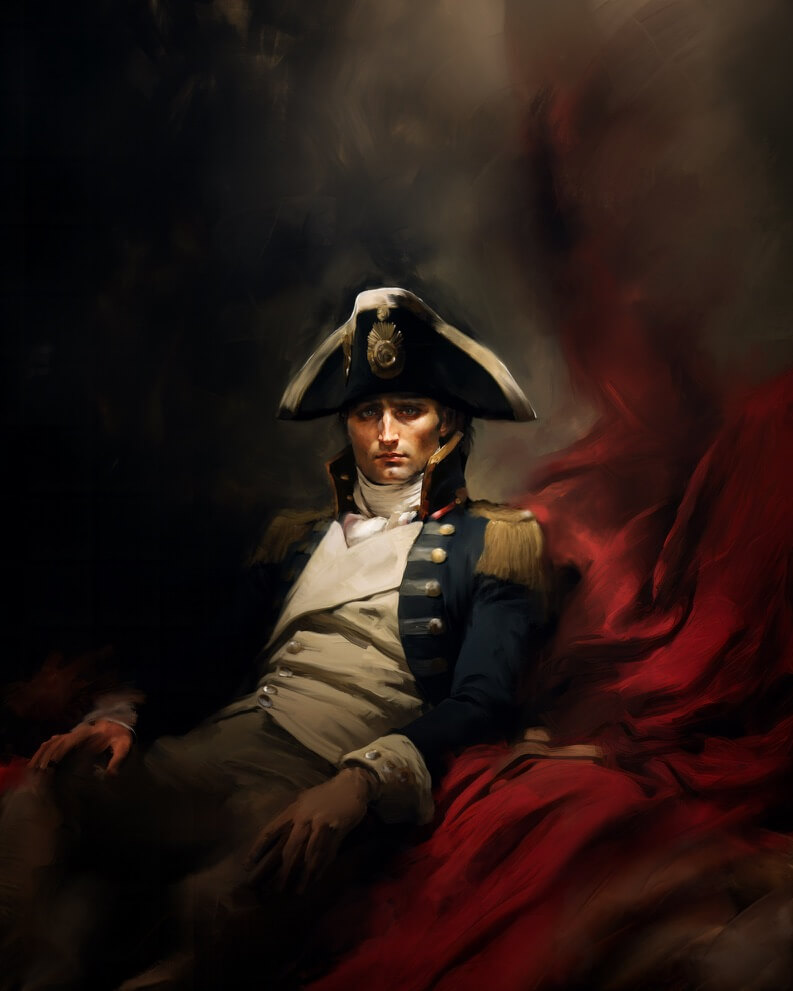
Take the digital painting of Napoleon in Moscow, for example. This piece exemplifies the possibilities of Rebelle 7. In the painting, the use of shadow and light evokes the classicism of 19th-century history paintings, yet the dynamic textures and bold brushstrokes are unmistakably modern. The piece conveys a narrative of power and defeat, much like Tolstoy’s portrayal of Napoleon in War and Peace, but with a fresh, vibrant energy that digital tools make possible. Every stroke and blend of paint on this digital canvas feels deliberate and masterful, proving that digital artists are capable of producing works that can stand alongside the greats of the past.
Meanwhile, Procreate has become the software of choice for many young, mobile artists. Its touch-based interface, customizable brushes, and ability to record the entire creative process has revolutionized the way digital art is made. More than just a technical tool, Procreate has democratized the art world by providing a professional-grade program that’s both affordable and portable. Artists no longer need a studio or thousands of dollars in equipment—they can create stunning works of art from anywhere in the world, with nothing but an iPad and their creativity.
The versatility of Procreate has also led to a blurring of the lines between different artistic disciplines. Illustrators, painters, animators, and designers alike are all using the software to push the boundaries of their respective fields. The app’s animation features have opened new doors for storytelling, allowing creators to breathe life into their paintings and illustrations in ways that would have been impossible with traditional media.
The Future of Art: A New Era of Creativity
As more artists adopt digital tools like Rebelle 7 and Procreate, the boundaries of what constitutes art will continue to expand. Already, we are seeing the rise of digital art exhibitions, virtual galleries, and NFT marketplaces, where digital artworks are bought, sold, and displayed alongside traditional pieces. Digital art is no longer the domain of hobbyists or tech-savvy enthusiasts—it is a fully-fledged art form that deserves recognition and respect.
Artistic Luddites may resist this change, but their voices are growing quieter by the day. The younger generation of artists is embracing digital tools not as a replacement for traditional media, but as an extension of their creativity. In the same way that photography was once seen as a threat to painting, but ultimately became its own respected medium, digital painting will continue to rise in prominence and prestige.
In the years to come, we will undoubtedly see more masterpieces like Napoleon in Moscow created with programs like Rebelle 7 and Procreate. These digital tools will continue to evolve, offering artists new ways to express their visions and push the limits of what is possible. And as the art world moves forward, those who refuse to adapt will be left behind, consigned to the margins of history.
Oscar Wilde once said, “Art is the most intense mode of individualism that the world has known.” That sentiment holds true today, in this new digital age. Whether created with a brush or a stylus, on a canvas or a screen, great art will always find a way to transcend the medium through which it is made.