By Peter Farago
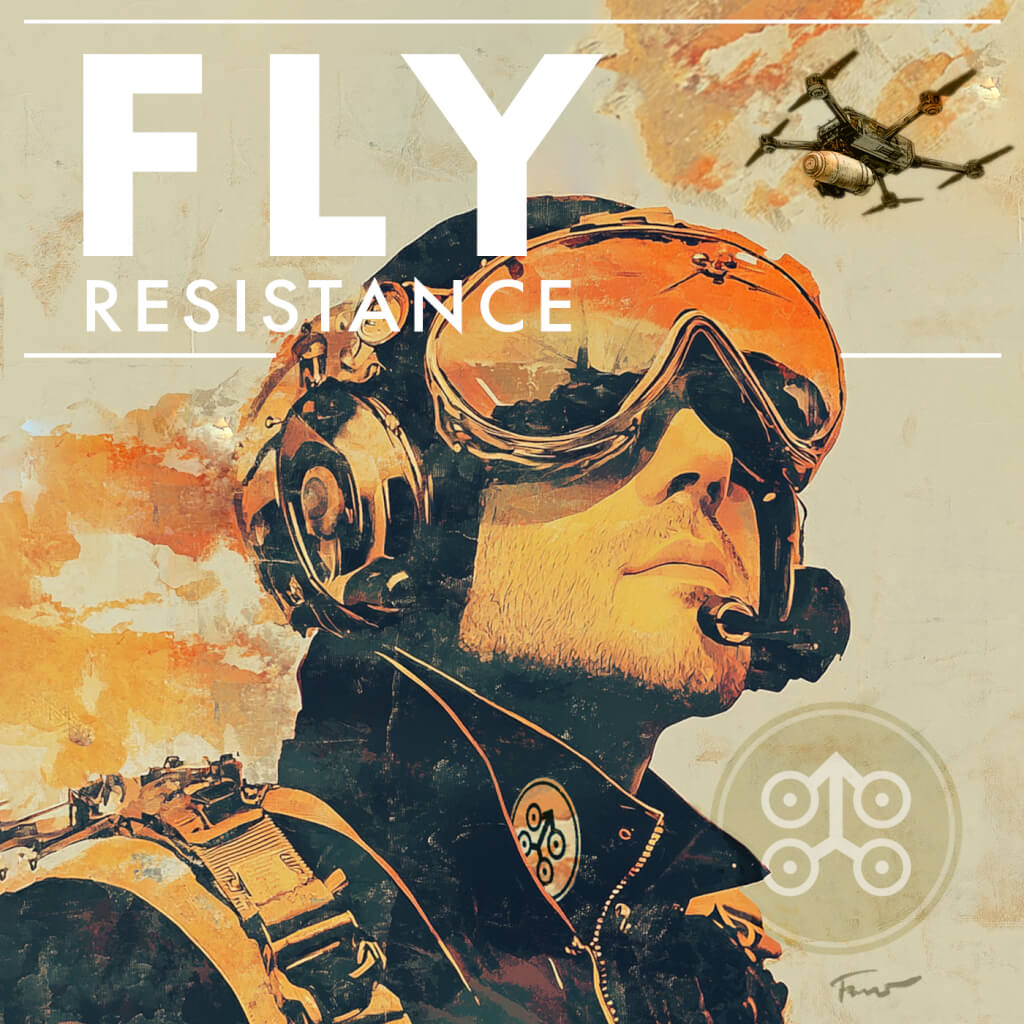
The specter of authoritarian control looms over modern democracies in ways that echo the struggles chronicled in Olivier Wieviorka’s The French Resistance. In this editorial, we explore the parallels between resistance movements of the past and emerging grassroots responses to contemporary threats of fascism. Two images—a drone pilot standing defiantly against a dystopian sky, and a photograph of French Resistance fighters defending their barricades—serve as compelling visual bridges between the eras.
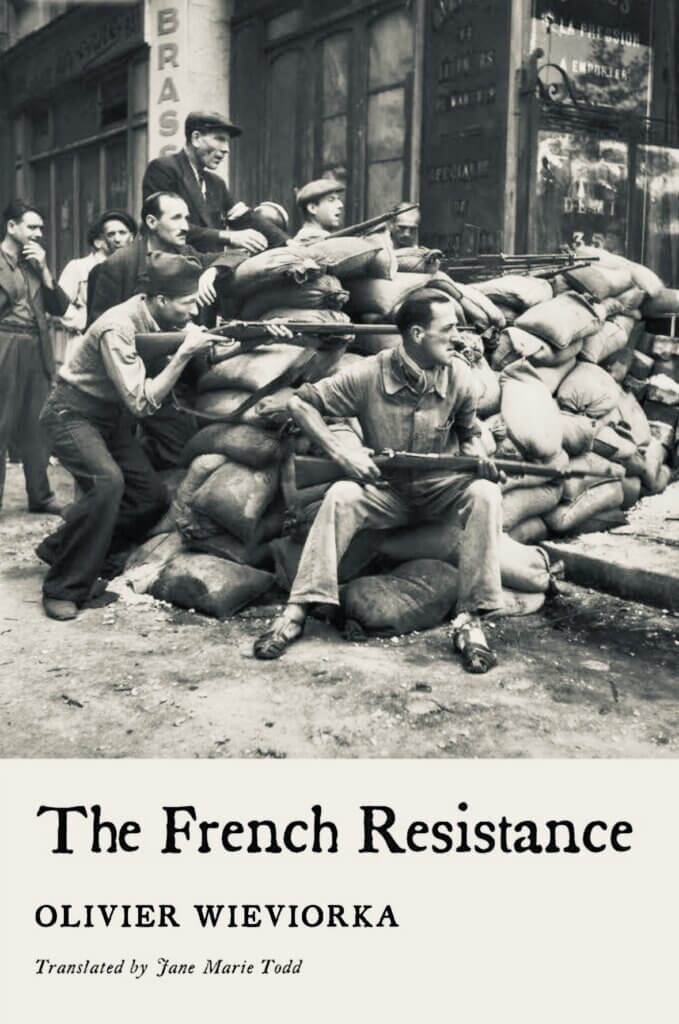
The first image, a modern depiction of resistance, features a pilot adorned with advanced technology, symbolizing individual empowerment through innovation. The second, an iconic photograph from the French Resistance, shows citizens—improvised and united—holding rifles at a barricade during World War II. Though separated by decades, these images highlight resistance as both a timeless act and a continually evolving strategy.
Wieviorka’s account of the French Resistance reveals the raw courage of civilians who defied the Vichy regime and German occupation through coordinated sabotage, intelligence gathering, and guerrilla warfare. It was a battle fought with limited resources but immense resolve, driven by the belief in liberty, equality, and fraternity. Today’s world faces a subtler, though no less insidious, threat: the erosion of democratic norms and the rise of authoritarianism under the guise of national security, technological advancement, or populist rhetoric.
The drone pilot in the modern image stands as a metaphor for today’s resistance fighters who navigate the digital battlegrounds of surveillance, misinformation, and control.
The drone itself—an instrument of war, but here potentially reclaimed as a tool for liberation—reflects the duality of technology. In the hands of the state, technology enables unparalleled control; in the hands of the resistance, it becomes a means of countering that control. This juxtaposition mirrors the French Resistance’s use of clandestine printing presses and underground radio stations to counter Nazi propaganda—a low-tech but effective form of information warfare.
Both images emphasize the critical role of individuals in the fight against oppressive forces. The French Resistance fighters in the photograph represent the collective courage of ordinary people taking extraordinary risks for the sake of freedom. The modern drone pilot, by contrast, underscores a growing reliance on individuals harnessing technological expertise to subvert systems of oppression. While the French Resistance relied heavily on collective solidarity, today’s resistance movements are often more fragmented, operating in isolated cells or even as lone actors. Yet, both underscore a shared truth: resistance begins with a refusal to comply with injustice.
Despite these similarities, key contrasts emerge. The French Resistance faced a clear and present enemy—foreign occupation and an openly authoritarian regime. Today’s threats are often more diffuse: creeping surveillance states, corporate complicity in data exploitation, and the erosion of public trust in institutions. Resistance today is not only about opposing a singular authoritarian figure or regime but also about navigating and dismantling a complex web of systemic injustices.
The French Resistance reminds us of the power of collective action, while the modern drone pilot illustrates the need to adapt to new forms of oppression. Together, they convey an urgent message: whether through barricades or bandwidth, resistance must evolve to meet the challenges of its time. As Wieviorka’s work shows, the fight for freedom is never truly over, and the tools and tactics may change, but the spirit of resistance endures.