By Peter Farago & Genevieve P. Toussaint
As we look back on the brutal suppression of modern art in 1930s Germany, it becomes clear that history has much to teach us about the fragility of artistic freedom. During this dark chapter, the Nazi regime systematically denounced, confiscated, and destroyed works they labeled “degenerate”—art that didn’t conform to their ideals of racial purity, nationalism, and militarism. Through exhibitions like the infamous 1937 Degenerate Art Exhibition, Nazi leaders sought to reshape cultural values and erase voices that did not align with their ideology.
Today, as authoritarian movements and restrictions on freedom of expression rise globally, it is critical to recognize the warning signs of a similar attack on culture. What happened in Germany could happen again—anywhere. This history serves as a powerful reminder of how easily art, ideas, and creative expression can become targets in the pursuit of total control. Should we find ourselves under a fascist administration, we may witness similar attempts to stifle dissent and silence diverse voices. The Nazis showed us how quickly art could go from a celebration of human creativity to a tool of oppression and propaganda.
The Targeting of Art and Artists Under Fascism
In Nazi Germany, the campaign against “degenerate art” was not merely an attack on modernism but on individuality itself. Art movements like Expressionism, Surrealism, and Dadaism—movements that valued personal expression, experimentation, and emotional depth—were painted as symptoms of moral decay and “foreign contamination.” The Nazis’ preferred style glorified heroic imagery, militarism, and racial purity, marginalizing any form of art that did not serve their nationalist agenda.
The artists who created this condemned work were labeled as threats to society. Many were fired from teaching positions, stripped of the right to exhibit, and in some cases, even forbidden to produce art. Their studios and galleries were raided, and their work was seized or destroyed. Some artists, like Ernst Ludwig Kirchner, fell into despair; others fled the country if they could. This assault on artistic freedom was not just about aesthetics; it was about stripping individuals of their voice and erasing cultural diversity.
The consequences were devastating. Hundreds of artists were exiled, silenced, or driven to despair. Entire art movements were erased from public view. The Nazis used their control of culture to enforce a singular, oppressive vision of what it meant to be “German.” By controlling the narrative, they turned art into propaganda, reinforcing their twisted vision of society and suppressing any ideas that could inspire people to think critically or act against the regime.
Why It Could Happen Again
The Nazi suppression of modern art may feel like a distant atrocity, but the conditions that allowed it to happen are not unique to 1930s Germany. The drive to silence dissenting voices, impose a singular cultural identity, and harness art as a tool for control is a constant temptation for authoritarian regimes. In today’s world, where polarized ideologies are rising and debates over “appropriate” art and media content are increasingly heated, it’s worth asking: could we see a return of the “degenerate art” mentality?
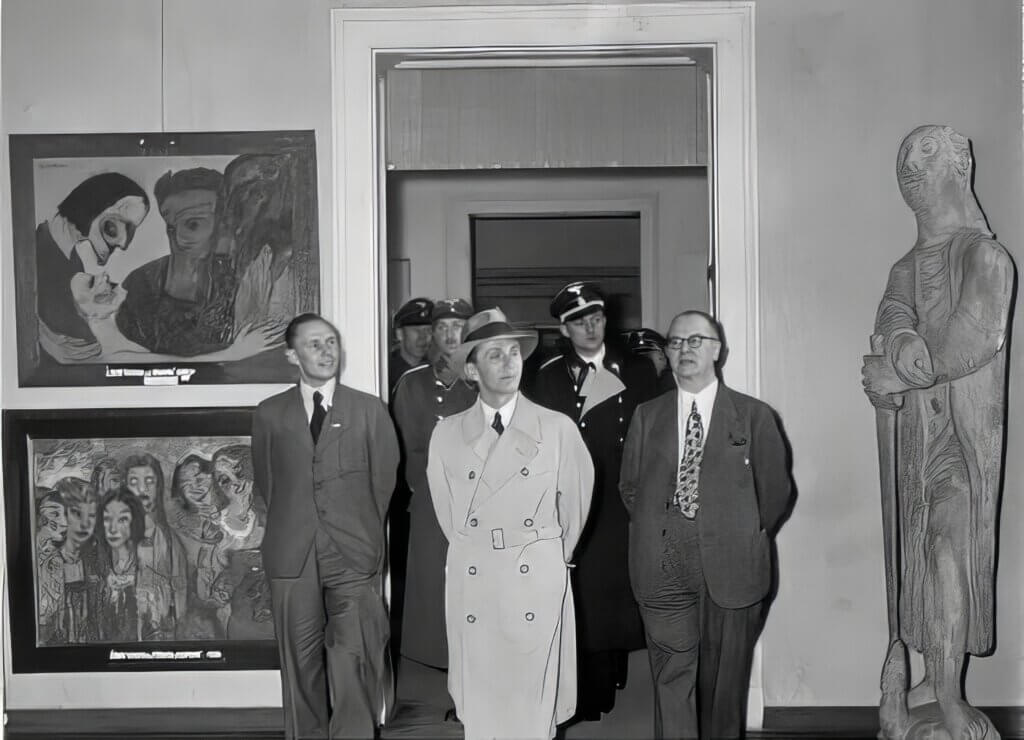
Should a fascist administration rise, it’s entirely possible that certain forms of expression would be deemed “unpatriotic” or “immoral.” Art that questions authority, highlights marginalized voices, or critiques social inequalities could become a target. We might see censorship disguised as “values enforcement,” with restrictive policies on art, literature, and media justified as preserving national or cultural purity. Once art is controlled, the public’s ability to see, question, and understand the world from diverse perspectives is diminished—exactly what authoritarian regimes desire.
The Modern Tools of Cultural Control
Today’s technology offers even more sophisticated tools for censorship than in the 1930s. Social media can be harnessed to shame and discredit artists who challenge the regime’s ideals, making dissent feel isolated and dangerous. Algorithms could be adjusted to downplay or erase controversial art, gradually narrowing the scope of what people are exposed to without the overt seizure of paintings or sculptures. Imagine an online exhibition labeled as “unpatriotic,” or a work of art quietly shadow-banned for its political themes—subtle yet effective forms of silencing.
In such a world, we might also see a revival of state-sponsored “approved art”—propaganda disguised as culture, funded to glorify the state and its leaders, and pushed to the forefront. Museums, galleries, and cultural institutions might be forced or incentivized to align with official messaging, creating a sanitized version of art that only reinforces the regime’s ideals. When art becomes a mouthpiece for power, it loses its ability to challenge and inspire, becoming instead an empty symbol of oppression.
The Importance of Defending Artistic Freedom
If history teaches us anything, it is that we must defend artistic freedom vigorously, especially in the face of growing authoritarian tendencies. Art has always been a powerful means of social and political critique, an arena where the marginalized can find voice, and the public can see reflections of their true, complex selves. When regimes fear art, it is because they fear the power of ideas. Suppressing that power is an attempt to control the very fabric of society, stifling innovation, empathy, and the richness of human experience.
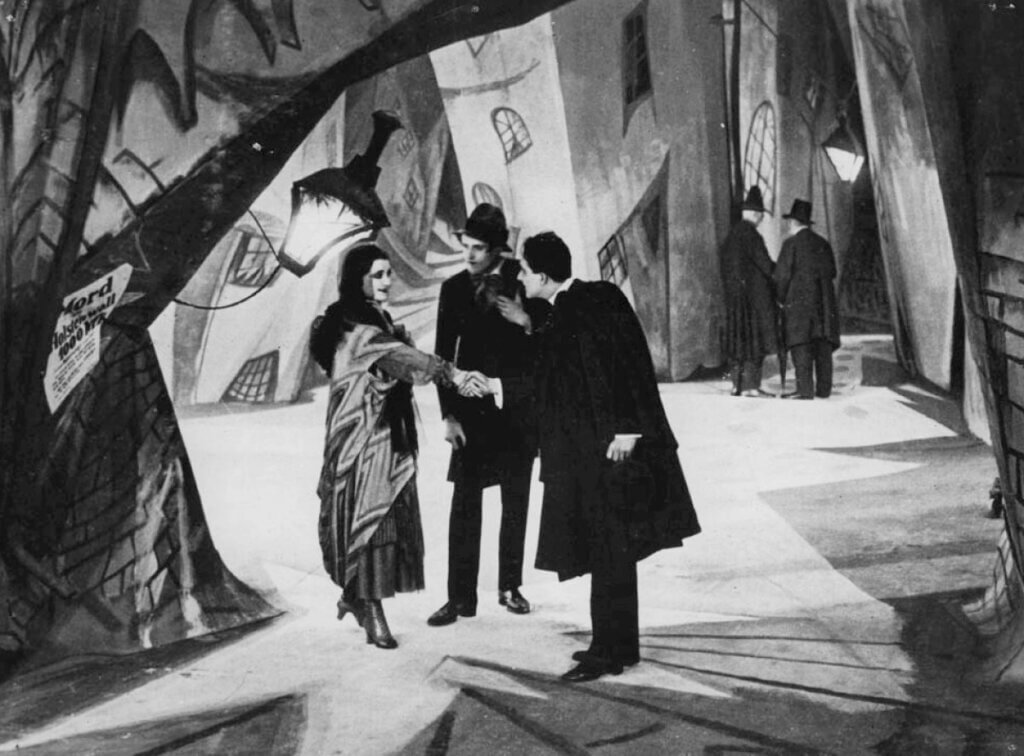
When we defend the right of artists to create freely, we are not only preserving individual expression; we are protecting a critical foundation of democracy. A diverse, vibrant culture allows citizens to encounter new ideas, question their beliefs, and understand one another more deeply. Art fosters empathy and critical thinking, qualities that are antithetical to fascist ideology. A society that values these qualities is harder to control, and harder to lead into the blind obedience that authoritarianism requires.
What Can We Do?
- Stay Vigilant: Recognize the early signs of cultural suppression—when certain forms of expression are increasingly labeled as unpatriotic or immoral, it’s often a red flag. Speak out against censorship, even when it’s subtle, and support artists who challenge the status quo.
- Support Independent Art: Fascist regimes depend on cultural homogeneity. By supporting diverse, independent artists, we help sustain voices that might otherwise be drowned out by corporate or state-driven agendas.
- Defend Cultural Institutions: Museums, galleries, and universities are vital spaces for free expression. When these institutions are pressured to conform to political ideologies, they lose their power to challenge and inspire. Advocating for the independence of these institutions is essential to maintaining a healthy culture.
- Embrace Cultural Diversity: Art has no single “correct” form, and that is its strength. A society that embraces artistic diversity is harder to control, more resilient, and richer for its complexity. Celebrate art that challenges, questions, and pushes boundaries.
- Educate and Remember: History is a powerful teacher. The story of “degenerate art” should be taught widely, reminding future generations of the consequences of cultural control and the importance of defending artistic freedom. Recognizing this history helps ensure we do not repeat it.
The Power of Art to Resist
The legacy of degenerate art stands as a testament to the resilience of creative expression. Even after years of persecution, many of these works survived, smuggled out of Nazi Germany or hidden away until they could be safely displayed. Today, these pieces are celebrated not only for their artistic merit but as symbols of defiance. They remind us that art can be a form of resistance—a way to affirm humanity and diversity, even in the face of tyranny.
Art matters because it expands the scope of human experience, challenges conventions, and pushes us to see the world from new perspectives. When regimes attempt to control art, they are not simply censoring paintings or performances; they are trying to control the way we think, feel, and imagine. As long as we defend artistic freedom, we defend a crucial part of our democracy and our shared humanity.
In uncertain times, let us remember the lessons of the past and remain vigilant. Art will always have the power to resist, to endure, and to inspire—so long as we protect the freedom to create.